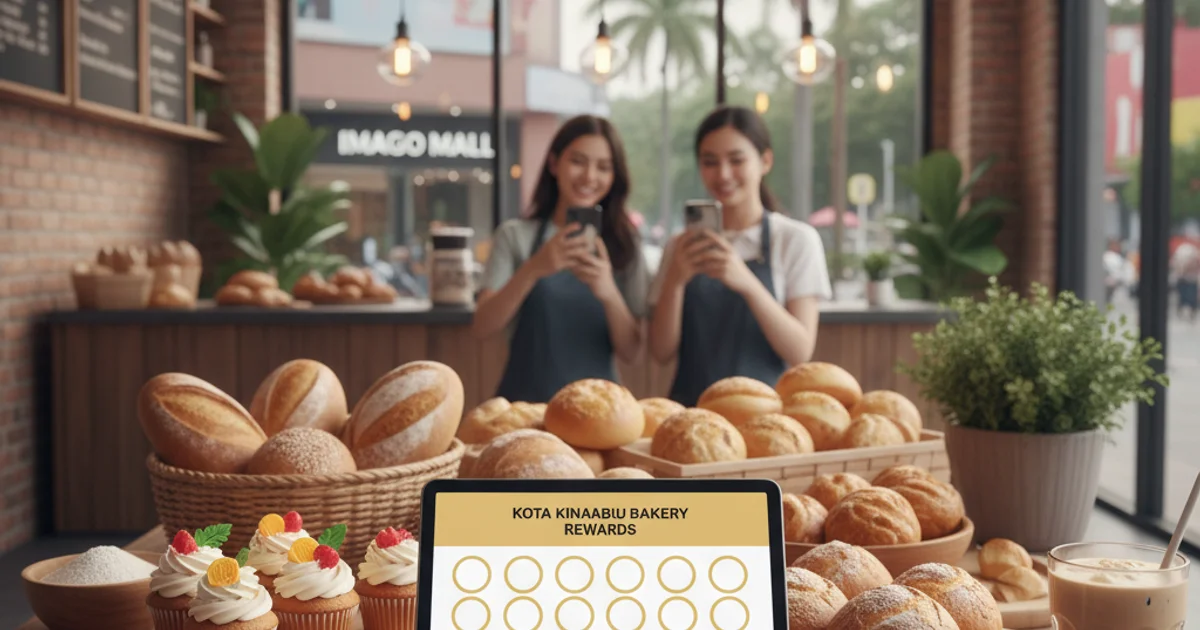
Kota Kinabalu's 10 bakeries face a simple reality: customers who visit once might never return. In a city where tourists flow through Imago Mall and locals have their pick of established names like Precious Bake and Le Berries Gaya Street, building repeat business requires more than just great pastries.
The traditional paper stamp card sitting in your customer's wallet competes with receipts, business cards, and a dozen other pieces of paper. Meanwhile, successful bakeries across Malaysia are discovering that digital stamp cards don't just survive the daily shuffle—they actively bring customers back through their doors.
Why Kota Kinabalu Bakeries Need Digital Stamp Cards
Digital stamp cards work because they live where your customers already spend their time: on their phones. When someone finishes their curry puff at Strawberry Cake House, they don't need to remember to bring a physical card next time. Their digital stamps are always accessible, always up to date, and impossible to lose.
The numbers tell the story clearly. Research by Yotpo shows that repeat customers contribute roughly one-third of total revenue while spending three times more than first-time visitors. For a Kota Kinabalu bakery averaging RM 25 per transaction, converting a tourist into a regular customer transforms a RM 25 interaction into RM 75 worth of lifetime value.
Local bakeries like The AnnEdible Cakery and Lady BonBon understand this principle. They've built followings not just through quality products, but by creating reasons for customers to return. A digital stamp card system amplifies this relationship by making the return visit rewarding, trackable, and automatic.
How Digital Stamp Cards Transform Customer Behavior
The psychology behind stamp cards taps into something fundamental: people love collecting things and earning rewards. When a customer sees they're three stamps away from a free pastry, that bakery moves to the top of their mental list for their next sweet craving.
Digital systems take this further by sending gentle reminders. When someone hasn't visited your Lintas Plaza location in two weeks, a WhatsApp message about their progress toward their next reward brings your bakery back into their daily conversation. According to Infobip, WhatsApp Business messages achieve open rates near 98%, compared to roughly 20% for traditional email marketing.
This direct communication channel becomes particularly valuable in Kota Kinabalu's mixed customer base. Local Sabahans respond well to Bahasa Malaysia messaging, while the steady stream of domestic tourists from Peninsular Malaysia and international visitors from China and Korea appreciate English communications about their rewards status.
Setting Up Rewards That Drive Repeat Visits
The most effective bakery stamp cards balance achievable milestones with meaningful rewards. A 10-stamp card requiring RM 250 in purchases for a RM 15 reward creates a clear value proposition while encouraging regular visits over several weeks.
Consider structuring rewards around your bestsellers and profit margins. If kaya toast generates 60% margins while custom cakes run at 30%, your free reward should lean toward the higher-margin items. This approach lets you offer genuine value while protecting your bottom line.
Timing matters as much as the reward itself. A bakery near Suria Sabah might see customers weekly, making a 6-stamp card appropriate. A neighborhood location in Luyang Commercial Centre with daily regulars could use a 10-stamp system that rewards consistent visits over two weeks.
The digital advantage shows up in flexibility. Unlike printed cards that lock you into fixed terms, digital systems let you adjust rewards based on what you learn about customer behavior. If data shows customers typically visit 8 times before losing interest, you can set milestone rewards at stamps 4 and 8 to maintain engagement throughout their journey.
WhatsApp Integration for Malaysian Bakeries
Malaysia's digital payment landscape makes WhatsApp the natural choice for customer communication. With Touch 'n Go eWallet leading digital transactions and most Malaysians already using WhatsApp for business communications, integrating stamp card notifications into existing customer habits requires minimal behavior change.
The halal certification requirements in Malaysia create an additional communication opportunity. When you receive new halal ingredients or launch products suitable for Muslim customers, your stamp card database becomes a direct line to announce these updates to customers who've already shown interest in your bakery.
For bakeries serving both local and tourist markets, WhatsApp's international accessibility proves invaluable. A visitor from Seoul can receive stamp updates in English while a local customer gets the same information in Bahasa Malaysia, all through the same system they use for family communications.
Sinch research indicates that SMS messages achieve response rates between 40-50%, significantly higher than the 4-6% typical of email marketing. WhatsApp, with its richer media support and established user habits, often performs even better for businesses that integrate it thoughtfully into their customer experience.
Competing with Established Kota Kinabalu Bakeries
Digital stamp cards level the playing field between established names and newer entrants. While Precious Bake benefits from years of reputation building, a newer bakery can use digital rewards to create immediate reasons for customers to choose them over established competitors.
The key lies in offering something the established players don't: convenience, personalization, and digital-native customer experience. When customers can check their stamp progress, receive personalized offers, and get reminded about rewards through their phones, the friction of trying a new bakery decreases significantly.
Location advantages compound with digital systems. A bakery in Imago Mall can capture tourists during their shopping trip and stay connected with them throughout their Kota Kinabalu visit. A neighborhood bakery in Taman Southern can build deeper relationships with residents through consistent, valuable digital touchpoints.
Consider the customer journey beyond the initial purchase. Traditional bakeries rely on customers remembering to return. Digital stamp cards create multiple touchpoints: immediate confirmation of stamps earned, progress updates, milestone celebrations, and gentle reminders when customers haven't visited recently.
Measuring Success Beyond Revenue
Revenue tracking tells only part of the story with digital stamp cards. The real insights come from customer behavior patterns: how often people visit, which rewards they choose, and what communications drive them back to your bakery.
Digital systems provide data that paper cards never could. You'll see which days of the week generate the most stamp activity, which rewards customers redeem most often, and how long customers typically take between visits. This information guides everything from staffing decisions to inventory planning.
Customer lifetime value becomes calculable rather than estimated. When you know that customers average 12 visits over 6 months and spend RM 28 per visit, you can make informed decisions about reward costs, marketing budgets, and expansion plans.
The referral component of digital systems adds another measurement layer. Happy customers sharing their positive experiences through WhatsApp or social media create trackable word-of-mouth marketing that traditional systems can't capture or measure.
Implementation for Multi-Location Bakery Chains
Bakeries with multiple locations in Kota Kinabalu face unique opportunities with digital stamp cards. Customers can earn stamps at your Lintas Plaza location and redeem rewards at your city center outlet, creating a unified brand experience across all touchpoints.
Cross-location data reveals customer movement patterns throughout the city. You might discover that customers visit your mall location on weekends but prefer your office district bakery during weekdays, information that guides staffing, inventory, and promotional timing decisions.
Centralized management means consistent customer experience regardless of which staff member serves them. Every location operates from the same customer database, ensuring that regular customers receive recognition and appropriate service no matter which outlet they visit.
The system scales naturally as you expand. Adding new locations requires no changes to existing customer accounts—their stamps and rewards transfer automatically to include new redemption options.