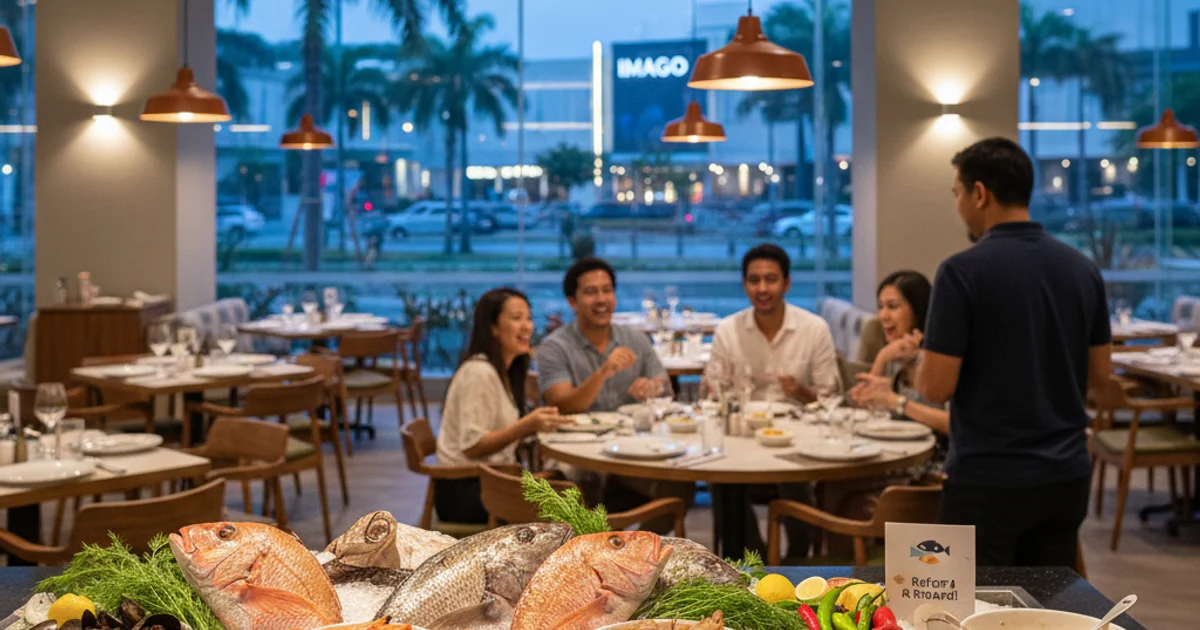
It's 7pm on a Friday in Kota Kinabalu, and the dinner rush is winding down at a seafood restaurant near Imago Mall. The owner watches as groups of friends finish their meals, some already planning their next visit. What he doesn't realize is that these satisfied customers could become his most powerful marketing asset — if he had the right referral program in place.
With 10 restaurants competing in Kota Kinabalu's bustling food scene, standing out requires more than just great food. The most successful establishments understand that their existing customers are the key to sustainable growth. When friends recommend restaurants to each other, those recommendations carry far more weight than any advertisement.
Why Kota Kinabalu Restaurants Need Referral Programs
Restaurant referrals work differently in Kota Kinabalu's unique dining culture. The city's blend of local Sabahans, domestic tourists from peninsular Malaysia, and international visitors creates diverse customer groups with distinct social patterns. Local families often dine together weekly, while tourists seek authentic recommendations from locals.
A well-designed referral program taps into these social connections. When a local customer brings their extended family for a celebration dinner, or when a tourist shares their discovery with friends back home, that's organic growth happening naturally. The challenge is creating a system that encourages and rewards these valuable introductions.
Research from the Wharton School shows that customers acquired through referrals demonstrate 16% higher lifetime value compared to those from other marketing channels. For Kota Kinabalu restaurants, this means referred customers don't just visit once — they become regulars who contribute significantly more revenue over time.
Referral programs work because they leverage existing trust relationships between customers, turning satisfied diners into active promoters of your restaurant.
Digital vs Traditional Referral Methods
Traditional referral programs in Kota Kinabalu restaurants often rely on word-of-mouth or simple "bring a friend" discounts. While these approaches have merit, they lack the tracking and automation capabilities needed for consistent results. A customer might recommend your restaurant to five friends, but without a system to track and reward that advocacy, the opportunity is lost.
Digital referral programs solve this tracking problem while making participation effortless. When customers can share their referral code via WhatsApp — the dominant messaging platform in Malaysia — the barrier to sharing drops significantly. The referral becomes as simple as sending a message with a special code or link.
Modern referral systems also enable two-sided rewards, where both the referrer and the new customer receive benefits. This creates a win-win situation that motivates sharing while making new customers feel welcomed. A Kota Kinabalu restaurant might offer the referrer a 20% discount on their next meal while giving the new customer a free appetizer on their first visit.
The key advantage of digital systems is measurement. Restaurant owners can see exactly which customers are driving referrals, which rewards work best, and what the actual return on investment looks like. This data enables continuous improvement and helps justify the program's cost.
Digital referral programs provide the tracking, automation, and measurement capabilities that traditional word-of-mouth approaches cannot match.
Setting Up Reward Structures That Work
The most effective referral rewards in Kota Kinabalu restaurants balance value with profitability. Percentage-based discounts often work better than fixed amounts because they scale with order size. A 15% discount appeals to both small groups ordering appetizers and large families having celebration dinners.
Tiered reward structures can encourage multiple referrals from your best advocates. Start with a basic reward for the first successful referral, then increase the benefit for customers who bring in multiple new diners. This approach recognizes and rewards your most valuable brand ambassadors while encouraging continued participation.
Timing matters significantly in referral reward delivery. Immediate rewards for the referrer create positive reinforcement, while delayed benefits for new customers can encourage return visits. Consider offering the referrer their discount immediately upon their friend's first visit, while giving the new customer a "next visit" incentive to ensure they return.
Food-specific rewards often resonate more than generic discounts in restaurant referral programs. Free appetizers, desserts, or signature drinks create memorable experiences that customers associate with your brand. These rewards also showcase menu items that new customers might not otherwise try.
Successful referral rewards are valuable enough to motivate sharing while being cost-effective enough to maintain healthy profit margins.
Leveraging WhatsApp for Restaurant Referrals
WhatsApp dominates messaging in Malaysia, making it the natural platform for restaurant referral sharing. According to DataReportal, more than two-thirds of people worldwide use social media platforms for sharing recommendations, and WhatsApp leads this trend in Southeast Asia.
The platform's group chat culture aligns perfectly with how Kota Kinabalu residents plan dining experiences. Family WhatsApp groups discussing weekend plans or friend groups coordinating dinner locations provide natural opportunities for referral sharing. When your referral system integrates with WhatsApp sharing, it fits seamlessly into these existing conversation patterns.
Automated WhatsApp messages can enhance the referral experience without feeling intrusive. When a customer earns stamps or reaches a milestone in your loyalty program, a congratulatory message with their referral code creates a natural sharing moment. The message should feel celebratory rather than promotional, acknowledging their loyalty while making sharing convenient.
Consider the cultural context when crafting WhatsApp referral messages for Kota Kinabalu customers. Messages that acknowledge local dining traditions or reference popular local events create stronger connections. A referral message mentioning the upcoming Kaamatan festival or referencing popular local dishes demonstrates cultural awareness and local connection.
WhatsApp's dominance in Malaysian communication patterns makes it the ideal platform for natural, culturally-appropriate referral sharing.
Measuring Referral Program Success
Tracking referral program performance requires monitoring both immediate conversions and long-term customer behavior. The initial metric — how many new customers each referral brings — tells only part of the story. More important is understanding whether referred customers become loyal, repeat visitors to your restaurant.
Customer lifetime value becomes crucial when evaluating referral program ROI. Deloitte research indicates that customers acquired through referrals maintain 37% higher retention rates compared to those from other marketing channels. For Kota Kinabalu restaurants, this means referred customers are more likely to become regular diners who contribute consistent revenue.
Attribution tracking helps identify your most valuable referral sources. Some customers might generate numerous referrals but attract price-sensitive diners who rarely return. Others might refer fewer people who become high-value regulars. Understanding these patterns helps you focus rewards on the referral sources that drive the most profitable long-term growth.
Seasonal patterns in Kota Kinabalu's tourism and local dining habits affect referral program performance. Tourist seasons might generate more one-time referrals, while local festival periods could drive family group referrals with higher lifetime value. Tracking these patterns helps optimize reward timing and promotional intensity.
Effective referral program measurement focuses on long-term customer value rather than just initial conversion numbers.
Common Referral Program Mistakes to Avoid
Many Kota Kinabalu restaurants make referral programs too complicated, requiring customers to remember specific codes or follow multiple steps. Simplicity drives participation — the easier it is to share and redeem referrals, the more customers will engage with the program. Complex rules or difficult redemption processes kill program momentum.
Inadequate reward communication represents another common failure point. Customers need to understand clearly what they receive for successful referrals and how the program works. Unclear terms or hidden conditions create frustration and reduce participation. Transparent, straightforward communication builds trust and encourages sharing.
Failing to track and follow up on referrals wastes valuable opportunities. When someone refers a friend but receives no acknowledgment or reward, they're unlikely to refer again. Automated systems that recognize referral success and deliver promised rewards maintain program credibility and encourage continued participation.
Under-rewarding successful referrers is a critical mistake that limits program growth. Research from Bain & Company demonstrates that increasing customer retention by just 5% can boost profits by up to 95%. Generous referral rewards that recognize customer advocacy often pay for themselves through increased retention and word-of-mouth marketing.
Successful referral programs prioritize simplicity, clear communication, reliable tracking, and meaningful rewards for customer advocates.
---