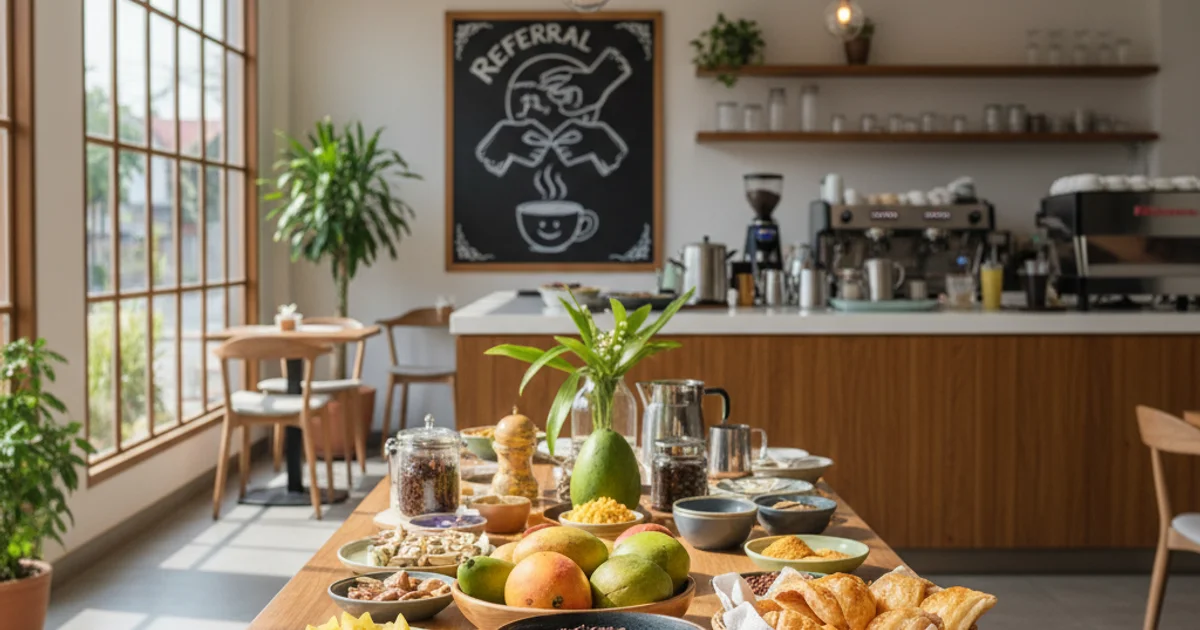
It's 3pm in Semarang's Simpang Lima district, and the lunch crowd has cleared from most cafes. But at one corner spot, customers keep streaming in — not just for the coffee, but because each visit earns them stamps toward free drinks, and every friend they bring doubles their rewards.
This scene plays out daily across Semarang's 10 major cafes, where smart owners have discovered that referral programs don't just bring in new customers — they turn existing ones into active promoters who keep coming back themselves.
Why Semarang Cafes Need Referral Programs
Semarang's cafe scene faces unique challenges. With established spots like Eastman Coffee House and newer entries like Levain Cafe competing for attention, standing out requires more than great coffee. The city's blend of Javanese and Chinese-Indonesian culture creates diverse customer preferences, while the dominance of warung culture means cafes must work harder to build regular habits.
A well-designed referral program addresses these challenges by creating a network effect. When customers at Koenokoeni Cafe Gallery recommend the spot to friends, they're not just sharing a location — they're vouching for an experience worth repeating.
Research from Harvard Business Review shows that referred customers generate 30% to 57% more new referrals than non-referred customers. This compounds in Semarang's tight-knit neighborhoods, where word-of-mouth travels fast through family and social networks.
Referral programs work because they align perfectly with Indonesian social culture. Sharing good experiences with friends and family is natural behavior. A structured program simply adds rewards to something customers already want to do.
Essential Components of Cafe Referral Programs
The most effective cafe referral programs include several key elements that work together to drive both acquisition and retention.
Two-sided rewards create the strongest incentive structure. Both the referrer and the new customer should receive something valuable. This might mean a free drink for the existing customer when their friend makes their first purchase, plus a welcome discount for the newcomer.
Digital tracking makes programs manageable at scale. Instead of paper punch cards that get lost or forgotten, modern systems use QR codes or phone numbers to automatically track referrals and apply rewards. This eliminates the friction that kills participation in manual systems.
Tiered rewards encourage multiple referrals. A cafe might offer increasingly valuable rewards as customers refer more friends — perhaps a free drink for the first referral, a pastry for the third, and a bag of coffee beans for the fifth. This structure motivates ongoing participation rather than one-time sharing.
Time-sensitive campaigns create urgency without feeling pushy. A "bring a friend this month and both get 20% off" promotion drives immediate action while fitting naturally into social plans.
Clear communication ensures customers understand how the program works and what they'll receive. Simple language and visible displays at the counter help staff explain benefits during busy periods.
Setting Up Referral Rewards That Drive Action
The structure of referral rewards determines program success more than the value of individual prizes. Semarang cafe owners need to balance attractive incentives with sustainable costs.
Percentage-based discounts often outperform fixed amounts because they scale with customer spending. A 25% discount feels significant whether someone orders a basic coffee or adds pastries and specialty drinks. This approach also protects margins during high-value transactions.
Welcome rewards for new customers should remove barriers to first visits. A "free drink with any food purchase" offer encourages newcomers to try multiple items while ensuring the cafe covers food costs. This strategy works particularly well in Semarang, where customers often visit cafes for light meals rather than just beverages.
According to Bain & Company research, 80% to 90% of successful referrals come from a brand's most loyal, highest-value customers. This suggests targeting referral program promotion toward regular customers who already demonstrate strong engagement.
Seasonal rewards maintain program freshness. During Ramadan, a cafe might offer special iftar discounts for referred friends. Chinese New Year could bring family-sized promotions that encourage group visits. These cultural touches resonate strongly in Semarang's diverse community.
Milestone celebrations recognize top referrers with exclusive experiences. After five successful referrals, a customer might receive an invitation to a cupping session or early access to new menu items. These personalized touches build deeper connections beyond transactional rewards.
Digital vs Traditional Referral Tracking
Modern cafes in Semarang have moved beyond paper-based referral systems toward digital solutions that provide better tracking and customer experience.
QR code systems eliminate the friction of manual tracking while providing instant gratification. Customers scan a code to share their referral link via WhatsApp — Indonesia's dominant messaging platform — and rewards appear automatically when friends make purchases. This seamless process encourages spontaneous sharing during social visits.
SMS marketing research from Sinch indicates response rates of 40-50%, compared to just 4-6% for email campaigns. In Indonesia's mobile-first market, SMS and WhatsApp notifications ensure referral program updates reach customers reliably.
App-based tracking offers the most sophisticated features but requires customers to download and maintain another application. For Semarang cafes, this additional step often reduces participation compared to web-based systems that work through existing browsers.
Paper punch cards still have a place in neighborhoods where digital adoption varies. However, they require careful staff training to ensure consistent application and create administrative overhead for tracking program performance.
Hybrid approaches combine digital convenience with physical touchpoints. Customers might receive digital tracking and rewards while staff stamp physical cards as visual progress indicators. This method works well during the transition period as customer bases adapt to new systems.
The key is choosing a system that matches both staff capabilities and customer preferences in your specific location within Semarang.
Measuring Referral Program Success
Effective measurement goes beyond counting total referrals to understand program impact on business growth and customer behavior.
Customer lifetime value (CLV) comparison reveals program effectiveness. Referred customers typically spend more and stay longer than those acquired through other channels. Tracking this metric helps justify referral program costs and optimize reward structures.
Referral conversion rates indicate program health. A healthy program sees 15-25% of eligible customers making at least one referral within six months. Lower rates suggest rewards aren't compelling enough or the sharing process is too complicated.
Research from Bond Brand Loyalty shows that 79% of consumers are more likely to recommend brands with strong loyalty programs. This statistic becomes actionable when cafes track recommendation rates before and after implementing referral systems.
Time-to-referral metrics identify the optimal moment for program promotion. Customers who make their first referral within 30 days of joining typically become the most active program participants. This insight helps staff recognize when to introduce referral benefits during the customer journey.
Cost per acquisition through referrals should be significantly lower than paid advertising channels. If referral program costs approach social media advertising expenses, the reward structure needs adjustment or the target audience requires refinement.
Repeat referral rates show program stickiness. Customers who make multiple referrals demonstrate strong brand advocacy and represent the most valuable program participants. These individuals often become unofficial brand ambassadors in their social circles.
Common Referral Program Mistakes to Avoid
Several predictable pitfalls can undermine referral program effectiveness, but awareness helps Semarang cafe owners avoid these issues.
Complicated reward structures confuse customers and reduce participation. Programs with multiple tiers, complex qualification criteria, or unclear redemption processes create friction that discourages sharing. Simple "refer a friend, both get 20% off" messages outperform elaborate point systems.
Delayed gratification kills momentum. Customers expect immediate confirmation when they make referrals and quick reward delivery when friends complete qualifying actions. Programs that require manual verification or batch processing weekly reduce excitement and trust.
Inadequate staff training leads to inconsistent program execution. Counter staff need clear guidelines about explaining benefits, processing referrals, and handling edge cases. Regular role-playing sessions help teams deliver confident explanations during busy periods.
Insufficient promotion limits program awareness. Many cafes launch referral systems but fail to actively promote them beyond initial announcements. Successful programs require ongoing visibility through table tents, social media posts, and staff recommendations.
Neglecting program maintenance allows systems to become stale. Regular review of reward structures, promotion methods, and customer feedback helps programs evolve with changing preferences and market conditions.
Focusing solely on acquisition while ignoring retention misses referral programs' dual benefit. The best programs strengthen relationships with existing customers while attracting new ones, creating compound growth effects that pure acquisition strategies cannot match.