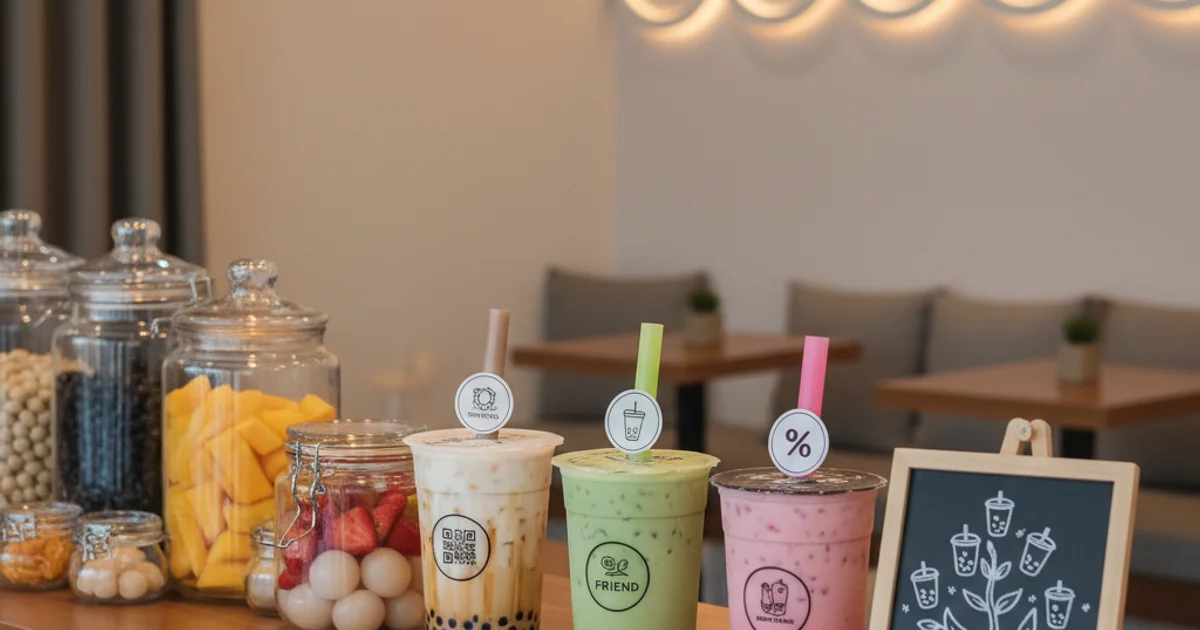
Walk into any mall in Surabaya and you'll count at least three bubble tea shops within sight of each other. With 10 bubble tea businesses competing in Indonesia's second-largest city, standing out requires more than just great pearls and premium tea. Research shows that businesses focusing on customer retention can generate returns up to five times their investment costs, making referral programs one of the smartest moves for Surabaya's competitive bubble tea market.
STAMPEDE's AI growth engine helps bubble tea shops in Surabaya turn their best customers into brand ambassadors through automated referral tracking, WhatsApp rewards, and data-driven insights that work alongside your existing POS system.
Why Surabaya Bubble Tea Shops Need Referral Programs
Surabaya's bubble tea scene centers around major shopping destinations like Tunjungan Plaza and Pakuwon Mall, where foot traffic flows between competing brands throughout the day. A solid referral program transforms casual visitors into loyal advocates who bring friends back regularly.
Referral programs create sustainable growth because satisfied customers naturally want to share experiences they enjoyed. When someone discovers their new favorite brown sugar boba at Tea Break or tries T4U's signature drinks, they're already texting friends about it. A structured referral system captures this organic word-of-mouth and amplifies it with incentives.
The key advantage for bubble tea shops lies in the social nature of the product itself. Groups of friends often visit together, making it natural for one person's recommendation to influence multiple future visits. Unlike restaurants where individual preferences vary widely, bubble tea appeals to broad demographics, especially among Surabaya's young professionals and students.
Setting Up Effective Referral Rewards
The most successful bubble tea referral programs in Surabaya offer meaningful rewards that reflect local spending patterns. With average bubble tea prices ranging from Rp 15,000 to Rp 35,000, effective referral rewards typically provide 20-30% of a typical order value.
Two-sided rewards work better than one-sided incentives because both the referrer and new customer receive value immediately. For example, offering Rp 10,000 off to both parties creates a win-win situation that feels fair and encourages participation from both sides.
Consider tiered referral rewards that increase with successful referrals. A customer who brings in three friends might unlock premium rewards like free size upgrades or exclusive seasonal flavors. This approach keeps your most effective brand ambassadors engaged long-term while recognizing their contribution to your growth.
Location-specific considerations matter in Surabaya's market. Office workers near business districts prefer quick redemption options during lunch breaks, while mall shoppers have more flexibility for trying new menu items. Design your referral rewards to match these different customer behaviors and preferences.
WhatsApp Integration for Indonesian Markets
Indonesia's mobile-first culture makes WhatsApp the ideal channel for referral program communication. With over 3 billion users globally, WhatsApp provides the direct, personal touch that Indonesian consumers expect from their favorite brands.
WhatsApp referral sharing feels natural because Indonesians already use the platform for daily communication with friends and family. When customers share their referral codes through WhatsApp, it arrives in the same space where friends discuss weekend plans and food recommendations, creating seamless integration with existing social patterns.
Automated WhatsApp messages can notify customers when their referrals make purchases, creating positive reinforcement that encourages continued sharing. These notifications also serve as gentle reminders about the referral program's existence, keeping it top-of-mind for your regular customers.
The platform's group chat functionality offers additional opportunities for viral growth. When someone shares a referral code in a friend group, multiple people often see and act on it simultaneously, multiplying the program's effectiveness beyond traditional one-to-one sharing methods.
Tracking and Analytics for Growth
Modern referral programs succeed through data-driven optimization rather than guesswork. STAMPEDE's analytics show which referral sources drive the highest customer lifetime value, helping you focus rewards on the most effective channels and customer segments.
Real-time tracking prevents referral fraud while ensuring legitimate rewards reach customers quickly. When a referred customer makes their first purchase at your Surabaya location, both parties receive instant confirmation through automated messaging, creating positive experiences that encourage future participation.
Geographic analytics reveal referral patterns specific to Surabaya's neighborhoods. You might discover that customers from Dukuhpakis area bring in more high-value referrals, while Genteng customers prefer frequent small purchases. These insights help tailor marketing messages and reward structures to different customer segments.
Seasonal tracking identifies peak referral periods around holidays, exam seasons, or local events. Understanding these patterns allows you to boost referral incentives during naturally high-sharing periods while maintaining baseline programs year-round.
Mobile-First Customer Experience
Surabaya's tech-savvy bubble tea customers expect seamless mobile experiences that work smoothly on their smartphones. Referral programs must integrate naturally with how people actually use their devices throughout the day.
QR code sharing eliminates friction by allowing instant referral code access without typing complex codes or remembering special links. Customers can generate their unique QR codes directly from their phones and share them through any messaging app or social media platform.
The mobile experience should work flawlessly whether customers are using Android devices popular in Indonesia or iPhones preferred by higher-income segments. Cross-platform compatibility ensures no potential referrals are lost due to technical limitations or device preferences.
Progressive web app functionality means customers don't need to download separate apps to participate in your referral program. This reduces barriers to entry while providing app-like experiences that load quickly even on slower Indonesian mobile networks.
Integration with Loyalty Systems
Referral programs work most effectively when integrated with broader loyalty initiatives rather than operating as standalone systems. Customers who participate in referrals should also earn stamps, points, or other loyalty benefits for their regular purchases.
Combined loyalty and referral systems create multiple touchpoints for customer engagement while simplifying the overall experience. Instead of managing separate programs, customers have one unified relationship with your brand that rewards both personal visits and friend referrals.
This integration allows for sophisticated reward combinations. A customer might earn double stamps for visits made using referral rewards, or unlock special referral bonuses after reaching certain loyalty milestones. These cross-program benefits increase engagement across all customer retention initiatives.
The data integration also provides richer customer insights. You can identify which loyal customers become the best referral sources and which referral patterns lead to long-term loyalty, optimizing both programs based on comprehensive behavioral data.
Measuring Success and ROI
Effective referral program measurement goes beyond counting successful referrals to understand true business impact and return on investment. Track metrics that directly connect to revenue growth and customer lifetime value rather than vanity metrics that don't drive profitability.
Customer acquisition cost through referrals typically runs 25% lower than traditional advertising channels because existing customers do the marketing work. Calculate this metric by dividing total referral program costs by the number of new customers acquired through referrals over specific time periods.
Monitor referral program participation rates among your customer base. High-performing programs typically see 15-25% of active customers making at least one referral within six months. Lower participation might indicate reward levels, sharing friction, or awareness issues that need addressing.
Long-term success metrics include referred customer retention rates and average order values compared to customers acquired through other channels. Referred customers often show higher loyalty because they arrive with positive expectations set by trusted friends, making them more valuable than average acquisitions.
---