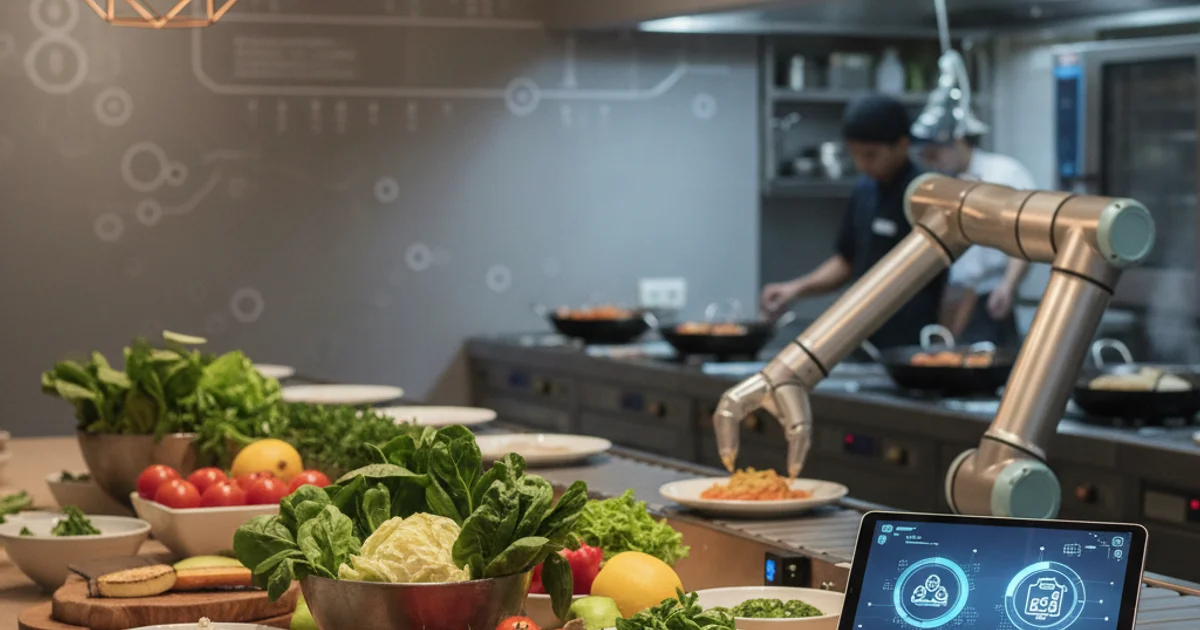
Looking at Clementi's restaurant scene, with 10 establishments averaging 4.58 stars, there's clearly strong competition. But here's what separates the thriving spots from the struggling ones: the smart use of AI tools to automate operations, understand customers better, and drive repeat business.
The restaurant landscape in Clementi reflects Singapore's broader dining evolution. While traditional establishments like Ayer Rajah Food Centre continue drawing crowds with authentic flavors, newer concepts are discovering that artificial intelligence isn't just a buzzword—it's becoming essential for sustainable growth.
How AI Tools Transform Restaurant Operations in Clementi
AI tools help Clementi restaurants tackle their biggest operational challenges: managing peak hours efficiently, reducing waste, and maintaining consistent service quality. The technology works behind the scenes to optimize everything from inventory management to staff scheduling.
Restaurant AI systems can predict busy periods by analyzing historical data, weather patterns, and local events. For a Clementi establishment serving the NUS and Singapore Polytechnic student population, this means preparing for predictable rushes during exam periods or semester breaks.
Inventory management AI prevents the costly mistakes that plague many restaurants. Instead of over-ordering ingredients that spoil or running out of popular items during dinner service, smart systems track usage patterns and automatically suggest optimal stock levels.
Kitchen display systems powered by AI can reorganize order sequences to minimize wait times. During Clementi's evening peak from 6-9pm, this technology ensures customers receive their meals faster, leading to better reviews and more repeat visits.
Customer Experience Enhancement Through AI
Modern diners expect personalized experiences, and AI delivers exactly that. Smart recommendation engines analyze customer order history to suggest dishes they're likely to enjoy, increasing average order values and satisfaction rates.
Chatbots handle routine inquiries about opening hours, menu items, and reservations, freeing staff to focus on in-person service. For restaurants near Clementi Mall dealing with high foot traffic, this automation prevents phone lines from becoming overwhelmed during busy periods.
Voice ordering systems are gaining traction in Singapore's tech-savvy market. Customers can place orders through smart speakers or voice apps, particularly useful for regular customers who order the same dishes repeatedly.
AI-powered loyalty programs go beyond simple stamp cards. According to research by Bond Brand Loyalty with Visa, customers are significantly more likely to recommend and continue purchasing from brands with strong loyalty programs. Smart systems track customer preferences and automatically send personalized offers at optimal times.
Revenue Optimization and Cost Management
AI tools excel at finding revenue opportunities that human managers might miss. Dynamic pricing algorithms adjust menu prices based on demand, ingredient costs, and competitor analysis while staying within acceptable ranges for the local market.
Labor cost optimization represents one of AI's biggest impacts on restaurant profitability. Scheduling algorithms consider historical sales data, weather forecasts, and local events to predict staffing needs accurately. This prevents both understaffing during busy periods and overstaffing during slow times.
Waste reduction AI monitors ingredient usage patterns and expiration dates, suggesting menu modifications to use ingredients approaching their shelf life. In Singapore's high-rent environment, minimizing food waste directly impacts the bottom line.
Menu engineering AI analyzes which dishes generate the highest profit margins and customer satisfaction scores. The data reveals which items to promote, which to modify, and which to remove entirely.
Marketing and Customer Retention Automation
Digital marketing automation helps Clementi restaurants compete effectively without requiring dedicated marketing staff. AI systems can schedule social media posts, respond to online reviews, and manage email campaigns automatically.
Customer segmentation becomes precise with AI analysis. The technology identifies your most valuable customers, those at risk of churning, and prospects most likely to become regulars. Each segment receives tailored messaging that resonates with their specific preferences and behaviors.
According to Epsilon research, a significant majority of consumers prefer to do business with brands offering personalized experiences. AI makes this personalization scalable for restaurants of any size.
Review management AI monitors mentions across Google, Facebook, and food delivery platforms, alerting owners to both positive and negative feedback. Quick response times to reviews can significantly impact a restaurant's online reputation.
Implementation Strategies for Clementi Restaurants
Starting with AI doesn't require a complete operational overhaul. Begin with one area where you face the biggest challenges—whether that's inventory management, customer service, or marketing automation.
Cloud-based solutions offer the most practical entry point for independent restaurants. These systems require minimal upfront investment and can scale as your business grows. Many integrate with existing POS systems without disrupting daily operations.
Staff training becomes crucial for successful AI implementation. Team members need to understand how to interpret AI recommendations and when to override automated decisions based on local knowledge and customer relationships.
Data quality determines AI effectiveness. Ensure your POS system, online ordering platform, and customer database contain accurate, up-to-date information before implementing AI tools that depend on this data.
Measuring AI Tool Success in Your Restaurant
Track specific metrics to evaluate AI tool performance rather than relying on general impressions. Key performance indicators include average order value, customer retention rates, food cost percentages, and labor cost per sales dollar.
Customer satisfaction scores provide insight into whether AI improvements translate to better dining experiences. Monitor online reviews, direct feedback, and repeat visit frequency to gauge customer response to AI-driven changes.
Operational efficiency metrics reveal AI's impact on daily operations. Measure order accuracy rates, average preparation times, inventory turnover, and staff productivity before and after implementation.
Revenue per available seat hour (RevPASH) helps restaurants understand whether AI optimizations actually improve profitability. This metric accounts for both increased sales and improved table turnover rates.